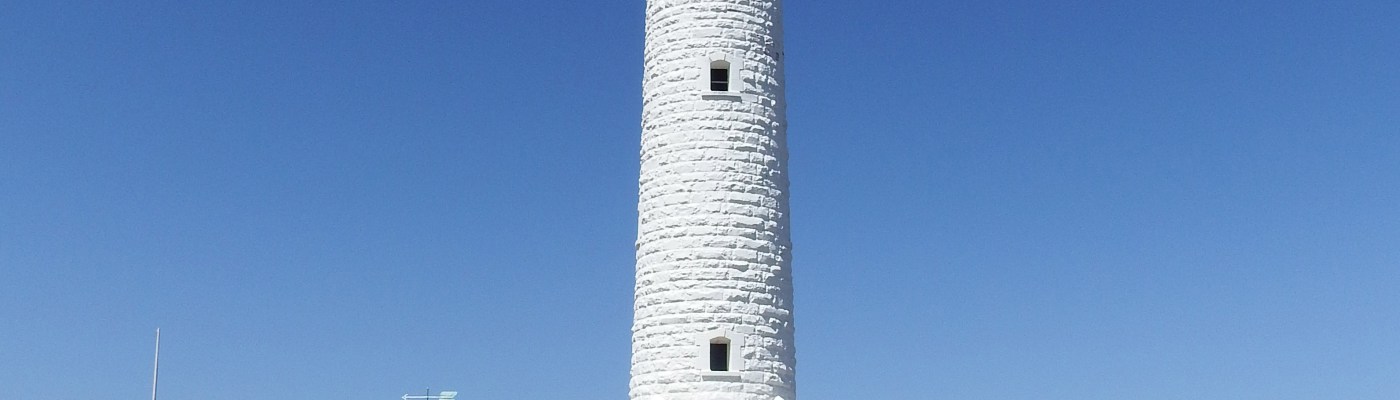
Cape Leeuwin
Arriving at Cape Leeuwin lighthouse we felt we’d reached a milestone. This is the most south western corner of the continent and where the Southern Ocean meets the Indian Ocean. We had finally made it across the continent to the Indian Ocean.


Mammoth Cave
The whole region is set on karst limestone so there are numerous caves along the coast. On friends recommendations we elected to explore Mammoth Cave with an audio guide.
The mammoth cave is renowned for the number of bones and relic discovered here. Ranging from the now extinct mega fauna, species no longer found in the area such as koalas as well as skeletons of animals that still live in the region.
The cave caverns themselves are vast and many of the different features can be seen. Stalactites hanging down from the ceiling, stalagmites climbing up to reach them. When joined they become columns stretching from floor to ceiling. Flowstone and shawl formations are also in evidence here.
At the end of the tour we climbed the stairs exiting the cave and immediately noticed the increase in temperature as the consistently cool temperature of around 15degrees gave way to the heat of the 30degree warmth outside. A short wander through the forest brought us back to the entrance.


Hamelin Bay
On recommendation of the camp site host we checked out Hamelin Bay. This is another spectacular beach, but is best known for its friendly stingrays. These guys were huge and were swimming up and down along the shoreline nearby the boat ramp.


 Hit The Toad